Elon Musk Just Merged SpaceX and xAI — And It Could Change the Future of AI
Elon Musk Makes His Boldest Move Yet
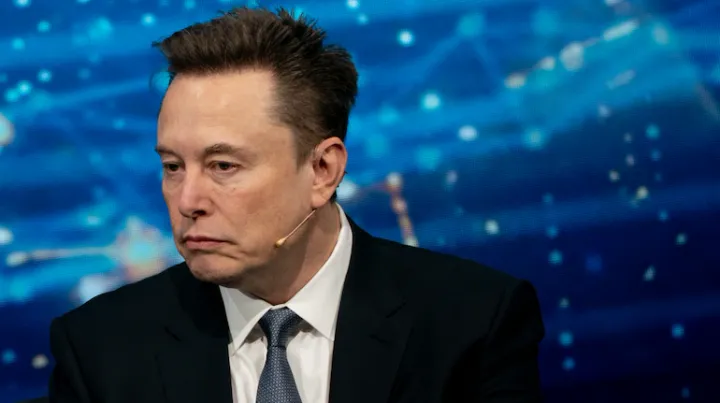
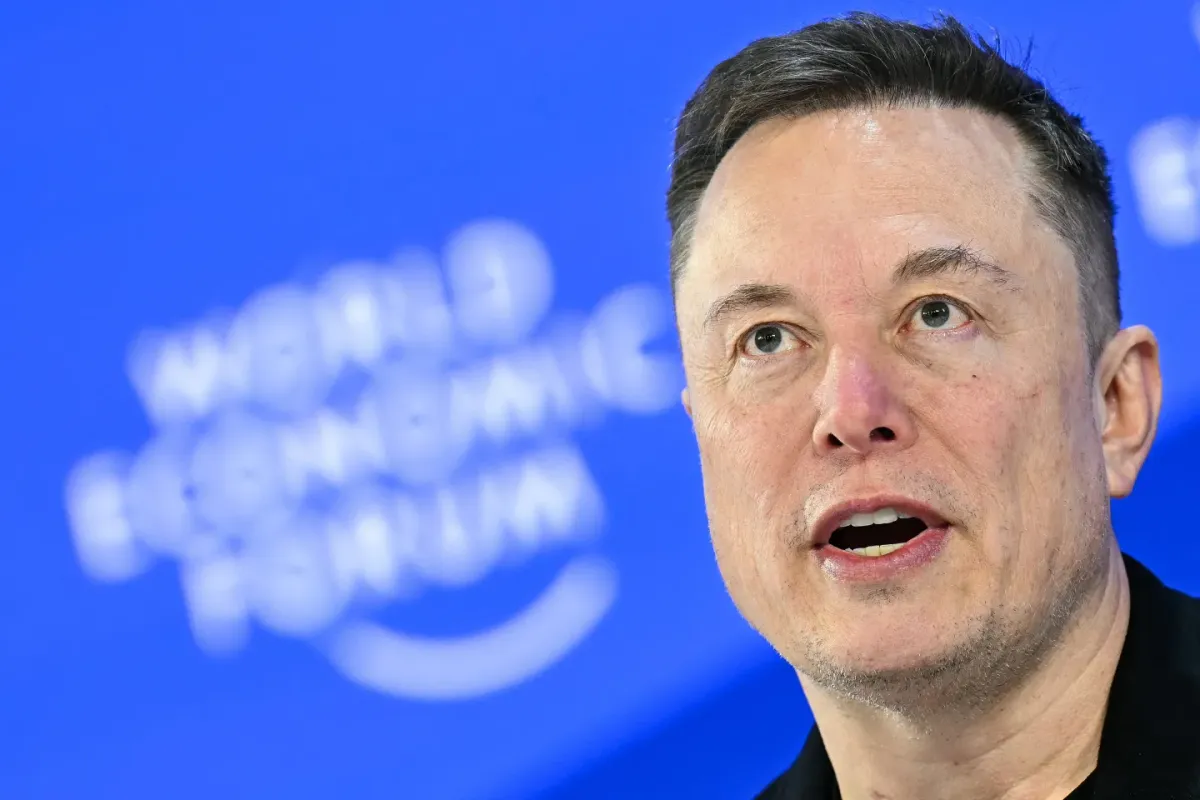
Elon Musk has once again reshaped the future of technology — this time by merging two of his most ambitious ventures.
On Monday, Musk confirmed that SpaceX has acquired his artificial intelligence startup xAI, bringing together his space exploration empire and his fast-growing AI ambitions in a single, record-breaking deal.
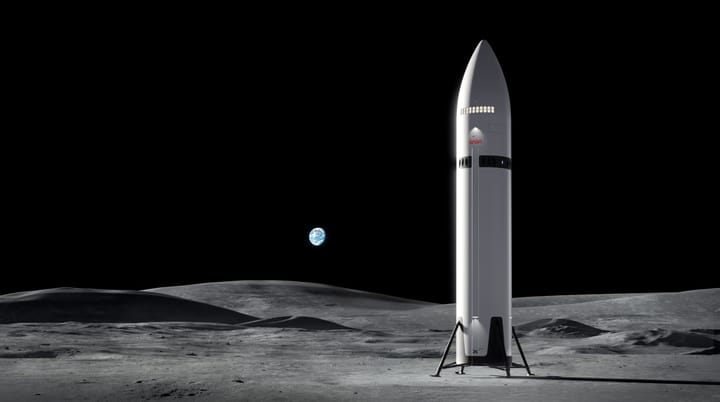
The acquisition unites SpaceX, the rocket and satellite giant, with xAI, the company behind the Grok chatbot. The move is already being described as one of the most ambitious mergers in tech history — not just for its size, but for what it represents.
In Musk’s own words, this is not just a new chapter, but an entirely new book.
A Record-Setting Deal That Rewrites History
The Biggest M&A Deal Ever
The acquisition sets a new global record for the largest merger and acquisition deal of all time.
The combined transaction values SpaceX at approximately $1 trillion and xAI at around $250 billion. That puts the total deal far above the previous record set more than two decades ago when Vodafone acquired Germany’s Mannesmann for $203 billion.
For Musk, it is another example of thinking on a scale few others attempt — or can afford.
How the Deal Works
Stock Swap and Cash Options
Under the terms of the acquisition, investors in xAI will receive SpaceX shares in exchange for their holdings.
For every share of xAI, investors will receive 0.1433 shares of SpaceX. Some xAI executives are also being given the option to take cash instead of stock, priced at $75.46 per share.
Once the companies are combined, shares of the new entity are expected to be priced at roughly $527 each.
This structure allows Musk to consolidate ownership while keeping much of the deal internal to his ecosystem.
Why Musk Is Combining Space and AI
A Strategic, Not Symbolic, Merger
This deal is about more than branding or convenience.
Artificial intelligence is becoming increasingly dependent on massive infrastructure — from chips and energy to data centers and cloud computing. SpaceX already operates one of the world’s most advanced satellite networks through Starlink and has deep experience managing large-scale, energy-hungry systems.
By merging with xAI, SpaceX gains direct access to cutting-edge AI development. Meanwhile, xAI benefits from SpaceX’s infrastructure, capital strength, and long-term ambitions.
The merger positions Musk to compete more aggressively with AI rivals like Google, Meta, Amazon-backed Anthropic, and OpenAI.
Strengthening SpaceX’s Data and AI Capabilities
A New Edge in the AI Race
AI development is extremely expensive, with costs driven by computing power, energy use, and specialized hardware.
The combined SpaceX-xAI entity could use satellite networks, global connectivity, and large-scale data systems to support AI training and deployment in ways competitors cannot easily replicate.
This could give Musk a unique advantage as AI increasingly moves beyond chatbots and into defense, communications, space exploration, and autonomous systems.
A Step Toward a Massive IPO
SpaceX’s Public Offering Plans
The merger comes at a critical moment.
SpaceX is reportedly planning a blockbuster public offering later this year that could value the company at more than $1.5 trillion. Folding xAI into SpaceX before going public significantly boosts the company’s growth story and technological reach.
SpaceX was already the most valuable private company in the world, last valued at about $800 billion during an internal share sale. Adding xAI’s AI capabilities dramatically expands its appeal to investors.
The Growing “Muskonomy”
One Ecosystem, Many Companies
The SpaceX-xAI merger further tightens what some investors informally call the Muskonomy — a network of companies that increasingly reinforce one another.
This ecosystem already includes Tesla, Neuralink, the Boring Company, and social media platform X.
Musk has a long history of blending his ventures. Last year, he folded X into xAI through a share swap, giving the AI startup access to massive amounts of real-time data. In 2016, Tesla acquired SolarCity using stock, consolidating his clean energy ambitions.
This latest deal follows the same pattern: bring everything under one roof, reduce friction, and move faster than competitors.
Musk’s Vision: AI, Space, and Consciousness
A Grand, Controversial Mission
Musk described the merger in characteristically dramatic terms, saying the goal is to scale toward understanding the universe and extending human consciousness beyond Earth.
While the language may sound abstract, the strategy is concrete. AI plays an increasingly central role in space navigation, satellite coordination, robotics, and autonomous decision-making.
By combining AI and aerospace at this scale, Musk is betting that the future of intelligence — artificial and human — will be shaped beyond Earth’s atmosphere.
Regulatory and Governance Questions Ahead
Scrutiny Is Inevitable
Deals of this size do not happen without oversight.
SpaceX holds billions of dollars in federal contracts with NASA, the Department of Defense, and US intelligence agencies. Those relationships mean government authorities may review the merger for national security, competition, and governance concerns.
There are also questions about conflicts of interest, given Musk’s overlapping leadership roles across multiple companies. Regulators and investors may closely examine how engineers, proprietary technology, and contracts move between entities.
What This Means for the AI Industry
Raising the Stakes for Everyone
The SpaceX-xAI merger raises the bar for what AI companies can be.
Competitors are no longer just racing to build better models — they are racing to secure infrastructure, energy, data, and long-term funding. Musk’s move highlights how critical vertical integration is becoming in the AI race.
It also signals that AI is no longer a standalone industry. It is becoming deeply embedded in transportation, defense, communications, and space exploration.
Why This Deal Matters
This merger is not just about Elon Musk or his companies.
It represents a shift in how technology giants think about scale, control, and ambition. By combining space infrastructure with artificial intelligence, Musk is positioning himself at the intersection of multiple future-defining industries.
If successful, the deal could redefine how AI is developed, deployed, and governed — not just on Earth, but beyond it.
Final Thoughts
Elon Musk’s decision to merge SpaceX and xAI is one of the boldest corporate moves of the modern era.
With a valuation approaching $1.25 trillion, the deal rewrites the history books and signals Musk’s intent to dominate both space and artificial intelligence through a single, unified platform.
Whether this vision delivers on its promise or invites greater scrutiny, one thing is certain: the future of AI just became much bigger — and much closer to the stars.