
Election Clash Intensifies: Trump Signals Executive Order on Voter ID If Congress Blocks Bill
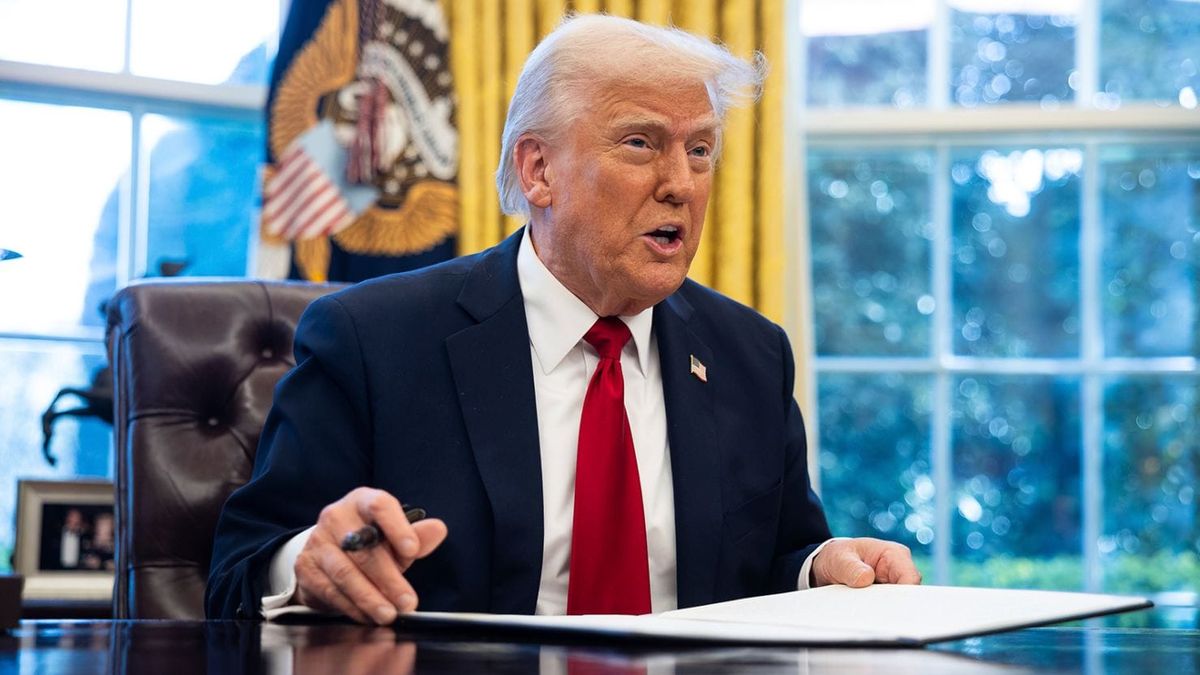
Donald Trump vows voter ID push ahead of midterm elections
The debate over election security in the United States is heating up again after President Donald Trump said voter ID requirements will be implemented before the upcoming midterm elections, even if Congress does not approve related legislation. His remarks have sparked strong reactions across the political spectrum, reigniting a long-running national conversation about voting access, election integrity, and federal authority.
Trump suggested he may use an executive order if lawmakers fail to pass the proposed election reform bill, arguing that stricter identification rules are necessary to ensure fair elections. Supporters view the move as a step toward stronger safeguards, while critics say it could restrict voting access for many Americans.
The proposed voter ID plan and what it means
Key points behind the proposal
The legislation backed by Trump focuses mainly on:
- Requiring photo identification at polling stations
- Proof of citizenship when registering to vote
- Limiting mail-in ballots except in special cases such as military duty, illness, disability, or travel
Supporters say these steps could strengthen confidence in election results. They argue that uniform national standards would reduce confusion and potential irregularities across states.
However, the proposal faces political hurdles. While the House of Representatives recently passed a version of the bill, its future in the Senate remains uncertain.
Political reaction divides Washington
Opposition from Democratic leaders
Senate Minority Leader Chuck Schumer has strongly criticized the proposal, saying it could make voting harder for certain groups. He argues that stricter ID requirements risk discouraging participation, especially among elderly voters, minorities, and low-income communities.
Many Democrats maintain that existing safeguards are already effective and warn against changes that might create new barriers.
Republican support for tighter rules
Members of the Republican Party generally support stronger identification measures. They say voter ID laws reflect common-sense protections similar to ID requirements in banking, travel, or other official activities.
The Democratic Party, on the other hand, has largely opposed such federal mandates, arguing election administration traditionally belongs to states.
Debate over election integrity continues
Claims of fraud versus expert findings
Trump has repeatedly argued that election systems need stronger safeguards. However, many election experts and studies have found little evidence of widespread voter fraud in recent U.S. elections.
For example, state-level voter roll audits before recent elections uncovered only small numbers of noncitizen registrations relative to millions of voters, and even fewer actual ballots cast improperly.
These findings have fueled the ongoing debate between security-focused reforms and protecting voter access.
Legal challenges could shape the outcome
Limits on presidential authority
A federal judge previously ruled that election administration powers primarily belong to Congress and individual states, not the president. This could complicate any attempt to impose nationwide voter ID rules through executive action alone.
Legal experts note that while executive orders can influence federal agencies, they cannot override laws passed by Congress or state election authority without clear statutory backing.
The Election Assistance Commission, which helps guide election practices, has also been involved in past disputes over voter registration requirements.
Congress holds the deciding power
Senate uncertainty
Although the House approved the bill, its future in the United States Senate remains unclear. Some lawmakers believe it may stall there due to political divisions.
If it fails, Trump has signaled he will pursue alternative legal approaches. However, those efforts would likely face court challenges similar to previous attempts.
Historical context
Election rules in the U.S. have long balanced federal oversight with state control. This structure often makes sweeping nationwide changes difficult without bipartisan agreement.
Broader discussion about voting access
Supporters’ perspective
Advocates for stricter voter ID laws often argue:
- They increase public trust in elections
- They align with identification standards used elsewhere
- They deter potential fraud even if rare
Many voters also express support for ID requirements in public opinion polls, though opinions vary widely by region and political affiliation.
Critics’ concerns
Opponents emphasize potential downsides:
- Risk of disenfranchising eligible voters lacking ID
- Administrative challenges for states
- Potential legal conflicts with voting rights protections
Civil rights organizations have particularly raised concerns about accessibility and fairness.
Trump’s broader election reform stance
Trump has repeatedly called for stronger federal involvement in elections. He has suggested that when states struggle to manage elections effectively, the federal government should consider stepping in.
These views have sparked constitutional debates about states’ rights and federal authority, which remain central to U.S. election law discussions.
Public reaction and political impact
Growing national debate
The issue is likely to remain a major political topic leading into the midterm elections. Both parties see election rules as closely tied to voter turnout, campaign strategies, and public confidence.
Media coverage, legal rulings, and congressional negotiations will continue shaping how the debate evolves.
Potential effects on voters
Regardless of legislative outcomes, the discussion itself may influence:
- Voter awareness of identification requirements
- State-level election policies
- Political messaging ahead of elections
Some states already have strict voter ID laws, while others rely on alternative verification methods.
Looking ahead
As the midterm elections approach, the future of voter ID requirements remains uncertain. Congressional negotiations, court decisions, and administrative actions will all play roles in determining what changes, if any, take effect.
The debate highlights a broader tension in American democracy: balancing election security with accessibility. Both sides agree on the importance of fair elections, but they differ sharply on how best to achieve that goal.
Whether through legislation, executive action, or judicial rulings, the coming months could shape how Americans vote for years to come.