China Sets Limits on Nvidia AI Chips After U.S. Approval — What It Means for Tech Giants
China Plans Limits on Nvidia AI Chip Purchases Amid U.S. Green Light
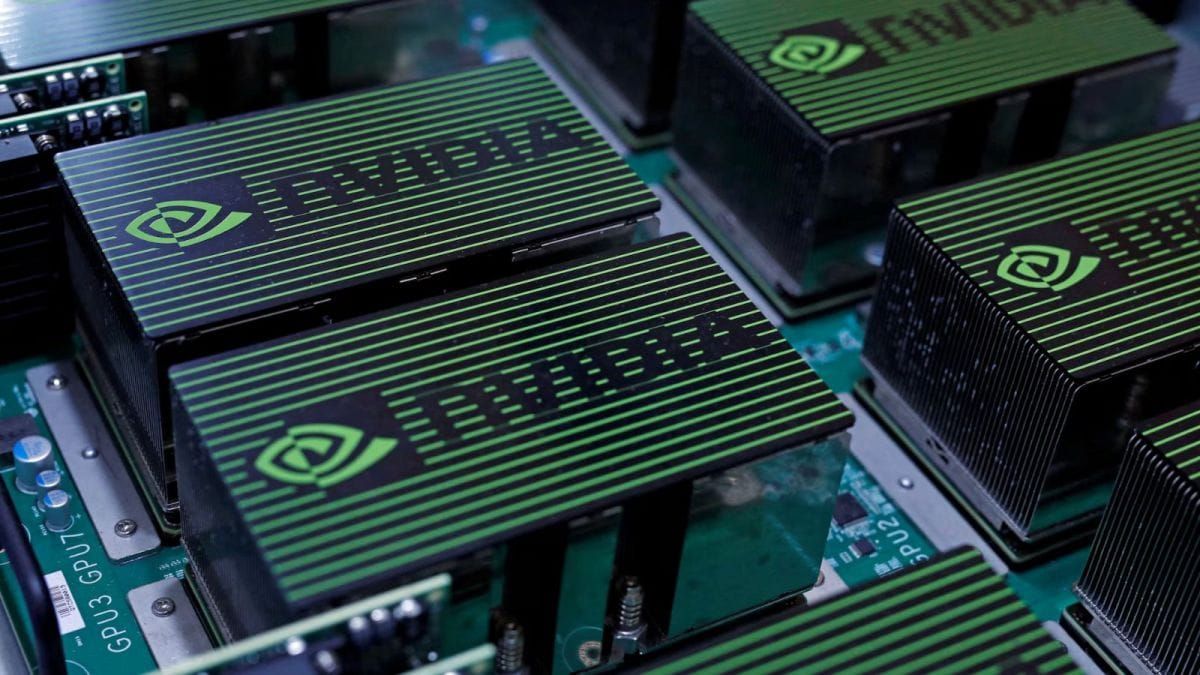
China is moving to control how many advanced artificial intelligence (AI) chips local companies can buy from foreign makers like Nvidia, according to Nikkei Asia. Instead of banning sales completely, Beijing is expected to set rules that limit the total volume of these high-end chips that Chinese firms can purchase.
This development comes after the Trump administration approved the sale of Nvidia’s H200 AI chips to China earlier this week. U.S. lawmakers and former officials quickly raised concerns, warning that allowing these sales could weaken America’s AI advantage and strengthen China’s military capabilities.
China’s Strategy: Limits, Not Bans
Rather than blocking Nvidia chips entirely, China appears to be taking a measured approach. Sources familiar with the matter told Nikkei that Beijing is preparing regulations to limit purchases by domestic companies, effectively controlling the flow without a total prohibition. This strategy would allow some chips to enter China while maintaining oversight over the AI technology.
Reuters could not immediately verify these reports, and Nvidia declined to comment.
Conflicting Signals
Despite the U.S. approval of Nvidia’s H200 chips, Chinese customs authorities reportedly instructed officials this week that the chips are not allowed to enter the country. Domestic tech companies have also been warned not to buy the chips unless absolutely necessary, sources told Reuters.
This situation highlights the tension between U.S. export decisions and China’s internal technology control policies. Companies in China may face difficult choices about whether to pursue cutting-edge AI chips or comply with government restrictions.
Implications for the Global AI Race
Limiting AI chip purchases could slow the pace at which China deploys the most advanced AI systems. However, it also signals Beijing’s determination to control critical technology in a way that safeguards its economic and military interests. For Nvidia and other foreign chipmakers, this adds a layer of complexity to doing business in China.
Analysts suggest this back-and-forth underscores the high-stakes competition in AI technology between the U.S. and China. It also raises questions about how global supply chains for advanced chips will adapt to political and regulatory pressures in the coming months.