
China Calls for Stability in Global Trade Routes
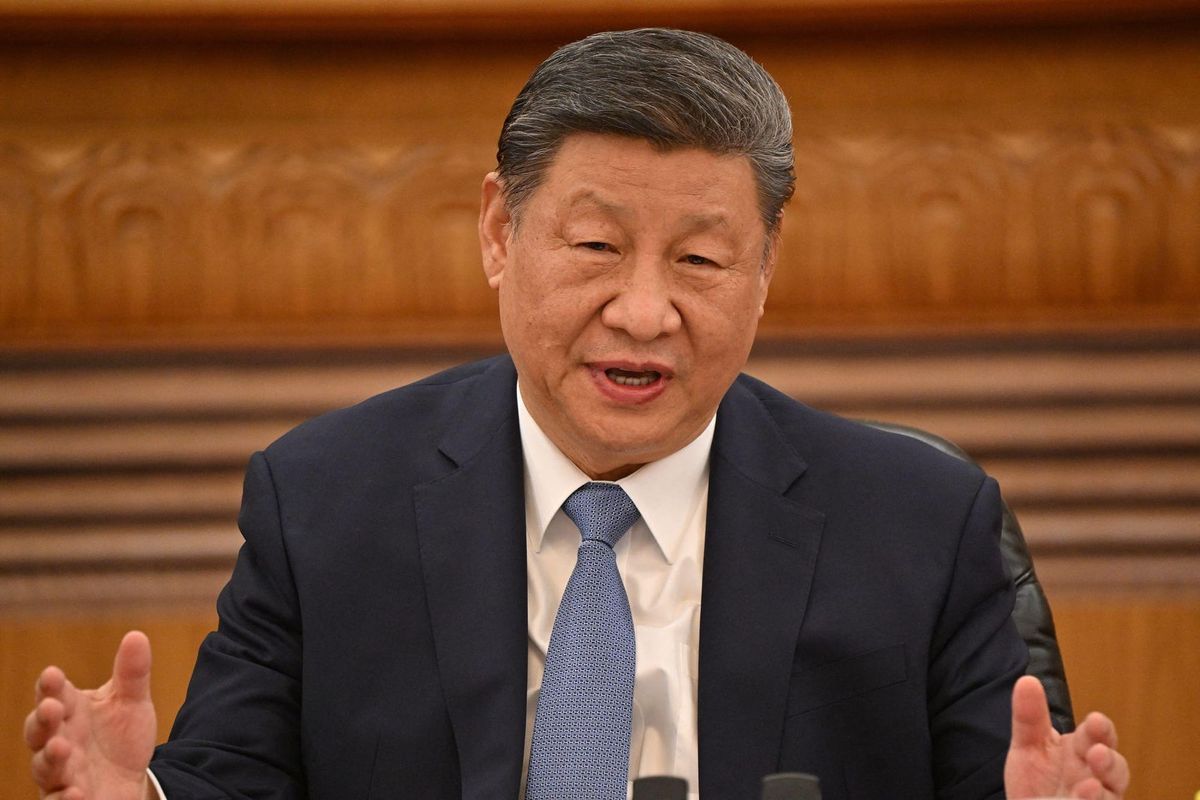
China wants the world to work together to keep trade routes stable. They warn that ongoing tensions and disruptions could have consequences for the world economy. This comes at a time when important shipping routes, those for energy are uncertain because of conflicts and rivalries.
Xi Jinping said it's crucial to have secure and uninterrupted trade flows. He thinks the global economic recovery is still weak. Disruptions in trade networks could affect not just major economies but also developing countries that rely on imports and exports to grow.
Chinas statement seems to be a response to rising tensions in places like the Middle East. There are worries about the safety of shipping lanes the Strait of Hormuz which has caused oil price and supply chain volatility. Experts say any prolonged disruption could increase transportation costs and delay shipments worldwide.
- Officials in Beijing say international cooperation is key to keeping trade corridors smooth.
- They want diplomatic solutions to conflicts and urge nations to avoid actions that could escalate instability.
- China also thinks multilateral institutions are important for safeguarding commerce and resolving disputes.
Chinas position fits with its strategy, which includes investing in infrastructure and connectivity through initiatives like the Belt and Road. By strengthening logistics networks across Asia, Europe and Africa China aims to create resilient trade systems.
- Trade analysts say China being an exporter and importer has a lot at stake in maintaining stable trade routes.
- Any disruption directly affects manufacturing, energy supplies and consumer markets.
The call for stability also reflects growing concerns among businesses and investors. Market volatility has increased, with fluctuations in commodity prices and shipping costs. Companies are adjusting strategies to mitigate risks.
- China also stressed the importance of securing land-based trade corridors, including rail and road networks that connect economic hubs.
- These alternative routes have gained importance as countries seek to diversify logistics channels and reduce dependency on transit points.
Reactions to Chinas statement have been mixed. While many countries support the emphasis on stability and cooperation some analysts view the call through the lens of competition. Nevertheless there is consensus that ensuring uninterrupted trade is critical for global economic health.
As tensions persist Chinas appeal highlights a shared concern among nations: the need to protect the infrastructure that underpins trade. Whether through diplomacy, policy coordination or technological innovation maintaining trade routes will remain a top priority.
The situation continues to evolve. The message is clear. Global economic stability is closely tied to the security and reliability of trade networks making cooperation more important than ever. China will keep pushing for stability in trade routes. Global trade routes are crucial for the world economy. Stability, in trade routes is essential.