
China Aims to Make the Yuan a Global Powerhouse as Xi Jinping Pushes Financial Reforms
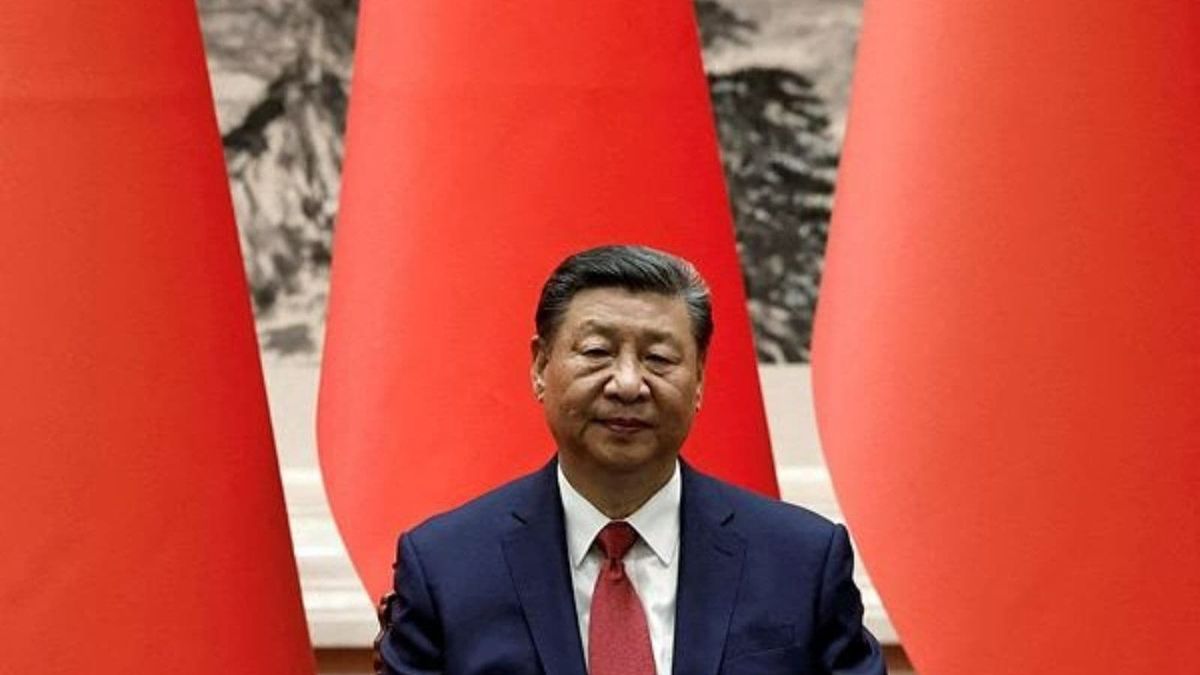
Chinese President Xi Jinping is signaling a bold new vision for China’s economy: making the yuan a global currency powerhouse. In a recent statement published by the Communist Party’s Qiushi magazine, Xi emphasized that a strong financial nation needs a strong currency that is widely used in international trade, investment, and foreign exchange markets, and one that can serve as a global reserve currency.
This renewed focus on the yuan comes at a critical moment for global finance, as the dollar shows signs of weakening amid political uncertainty in the United States and global market fluctuations. Analysts see Xi’s remarks as a clear sign that China is accelerating efforts to internationalize the yuan and expand its financial influence worldwide.
Xi Jinping’s Vision for a Financial Powerhouse
In his speech, Xi laid out what he believes makes a country financially strong:
- A powerful central currency that is trusted and widely used internationally.
- A strong, efficient financial system capable of supporting the real economy rather than focusing solely on self-expansion.
- Financial institutions with high operational efficiency and resilience against risks.
Xi warned that if finance becomes too inward-looking or self-serving, it risks becoming “water without a source or a tree without roots,” which could lead to economic crises.
His comments suggest that China’s leadership is preparing more reforms in the financial sector, aiming to make banks, markets, and the yuan itself stronger and more competitive on a global scale.
Why the Timing Matters
The push for yuan internationalization comes at a unique moment. Investor interest in the Chinese currency has surged as the US dollar’s dominance faces challenges.
- US Political Uncertainty: Fluctuations around US policies, including former President Donald Trump’s tariffs and global market reactions, have weakened confidence in the dollar.
- Global Market Shifts: Investors are exploring alternatives to the dollar, including the yuan, as geopolitical risks make the greenback less predictable.
- Yuan Gains Strength: In January, onshore yuan trading against foreign currencies hit its highest volume since August 2024. The yuan also gained 0.5% year-to-date against the dollar, reflecting both dollar weakness and investor confidence that the currency is undervalued.
Experts say China is taking advantage of this moment to boost the yuan’s global role while US leadership in global finance appears to be retreating.
Steps China Is Taking
China has been methodically preparing the yuan for a more prominent international role:
- Financial Reforms: The People’s Bank of China has overhauled its policy framework to modernize the central bank and strengthen oversight.
- International Standards: Policymakers recently accepted foreign trading rules for onshore repurchase agreements, aligning more closely with global financial norms.
- Market Development: Increased trading volumes and investor engagement show rising interest in the yuan as a reliable alternative to the dollar.
These steps are part of a longer-term strategy initiated in 2023, when Xi first outlined his plan to make China a financial powerhouse. The goal is not just about creating a stronger currency, but building a resilient, globally influential financial system.
Expert Insights
Analysts see China’s timing as strategic. Xing Zhaopeng, senior China strategist at ANZ Banking Group, said financial institutions are seeing opportunities as the dollar weakens, making it the right moment to push reforms.
Lynn Song, chief economist for Greater China at ING Bank NV, explained that the US appears to be stepping back from global financial leadership, which creates space for the yuan to expand its international usage.
The combination of strong domestic policies and favorable global conditions may help China elevate the yuan as a serious alternative to the dollar, with potential benefits for trade, investment, and global reserves.
Risks and Challenges
Despite China’s ambitious plans, challenges remain:
- Complex Financial System: China’s financial system is more interconnected than ever, making risk management critical.
- Global Acceptance: Expanding the yuan’s international use requires trust from foreign investors and governments.
- Dollar Dependence: The dollar still dominates global trade and reserves, and shifting international norms will take time.
Xi has emphasized that financial institutions must focus on serving the real economy and preventing systemic risks. A strong central bank, efficient financial institutions, and a resilient yuan are central to this vision.
What This Means for the Global Economy
If China succeeds, the yuan could gradually take on a larger role in global trade and reserves, reducing reliance on the dollar. Countries and investors looking for alternatives may increasingly adopt the yuan, while China strengthens its influence in international finance.
For businesses, policymakers, and investors, this shift could change global trade patterns, investment flows, and financial strategies in the coming years.
The Bigger Picture
China’s push to internationalize the yuan is part of a broader strategy to position the country as a global economic leader. By building a strong, resilient financial system and promoting a powerful currency, China is not just protecting domestic stability—it’s aiming for long-term influence in global finance.
As Xi’s policies unfold, the yuan’s role on the world stage may grow significantly, marking a new era in international trade and currency markets.