
Can Bangladesh’s old guard build a new democracy?
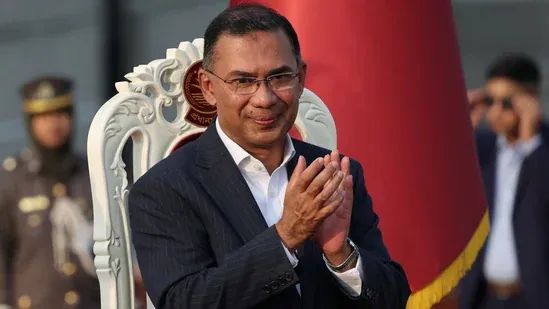
Bangladesh stands at a critical political crossroads. After years of intense polarization, street protests, and questions over electoral credibility, the country faces a defining question: can its long-dominant political elite — the so-called old guard — lay the foundations for a more inclusive and credible democracy?
For decades, Bangladeshi politics has largely revolved around two powerful figures and their parties: Sheikh Hasina of the Bangladesh Awami League, and Khaleda Zia of the Bangladesh Nationalist Party. Their rivalry has shaped the country’s political culture since the 1990s, often turning elections into high-stakes confrontations rather than consensus-driven exercises in governance.
The Legacy of Polarisation
Under Sheikh Hasina’s leadership, Bangladesh has experienced significant economic growth, infrastructure expansion, and rising global visibility. Major projects, improvements in connectivity, and strong export performance in the garment sector have fueled development narratives.
However, critics argue that democratic space has narrowed. Opposition leaders have faced legal cases, political gatherings have at times been restricted, and civil society voices claim shrinking room for dissent. The BNP, for its part, has accused the ruling establishment of undermining free and fair electoral processes.
The result has been a deeply polarized political environment where trust between parties is minimal and institutional neutrality is frequently questioned.
The Reform Dilemma
If Bangladesh is to transition toward a stronger democratic framework, the old guard must confront a central dilemma: reforming institutions that they have long dominated.
Key areas include:
- Ensuring credible, transparent elections
- Strengthening judicial independence
- Protecting media freedom
- Encouraging genuine multiparty competition
For the Awami League, this may mean loosening centralized control and fostering greater institutional autonomy. For the BNP, it may require distancing itself from confrontational street politics and presenting a coherent governance roadmap.
Both sides must move beyond personality-driven politics and invest in systems that outlast individual leaders.
Generational Pressure and Public Expectations
Bangladesh’s demographic reality adds urgency. A large portion of the population is young, urbanizing, and increasingly connected to global political narratives. This generation demands accountability, economic opportunity, and democratic credibility.
Public frustration with entrenched elites is not unique to Bangladesh, but the stakes are high in a country of more than 170 million people with strategic geopolitical importance in South Asia.
The question is whether established leaders can reinvent themselves — not merely to win elections, but to build resilient institutions.
A Narrow Window of Opportunity
History shows that political transitions often require compromise from entrenched actors. The old guard in Bangladesh holds deep networks, administrative experience, and popular bases. These assets could either entrench polarization further or be leveraged to stabilize a more participatory system.
Building a new democracy does not necessarily mean removing old leaders overnight. It may instead require them to champion reforms that limit their own power — a difficult but transformative step.
Whether Bangladesh’s political veterans can rise to that challenge will determine not just the next election, but the trajectory of its democratic future.