
Bangladesh Says Yes to the July Charter: What the Referendum Means and What Comes Next
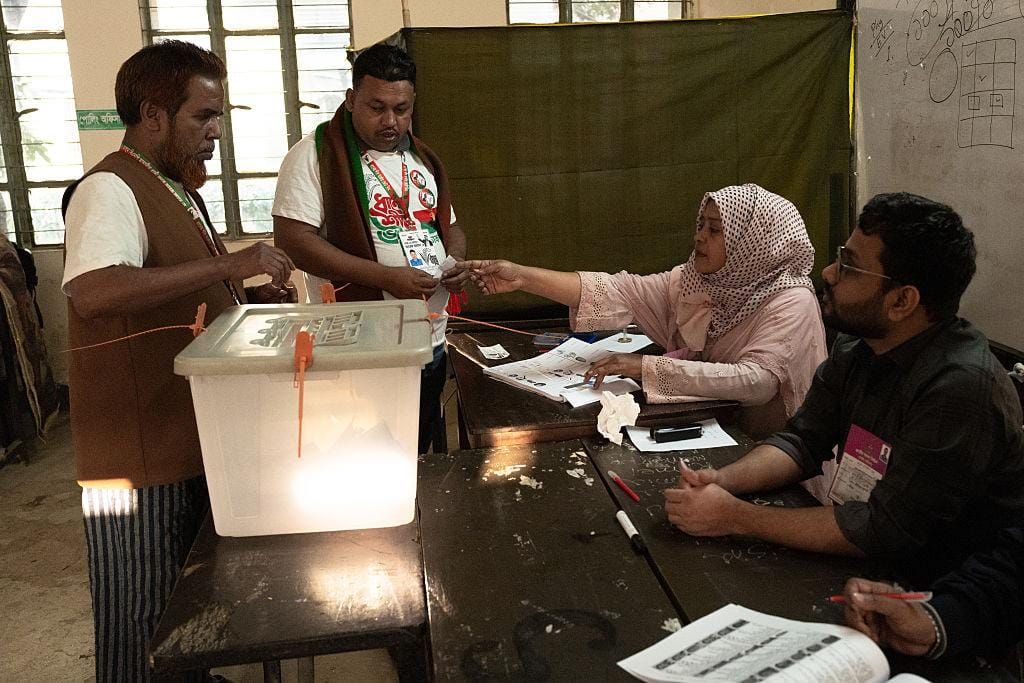
On February 13 2026 the people of Bangladesh made a decision when they voted in a national referendum. They said yes to the July Charter, which's a plan to change the way Bangladesh is run. The July Charter is a proposed framework that wants to change the system and the way the country is governed in Bangladesh. This yes vote is an important moment for Bangladesh. It is one of the moments, in Bangladeshs history when it comes to the constitution. Now that the people of Bangladesh have said yes to the July Charter the country will go through a lot of changes. There will be laws made politicians will have to talk to each other and the public will watch everything closely. The July Charter will shape the future of Bangladesh.
What Is the July Charter?
The July Charter came out after months of big problems in politics and a lot of people protesting on the streets, which got really bad around the middle of 2025. The July Charter is like a plan to fix things it wants to make sure the power is shared fairly between the parts of the government make elections safer and make sure peoples rights are protected. The July Charter is not a new constitution but it is a set of rules that must be followed it tells the government to make specific changes, to the laws and even to the constitution if that is what is needed.
The main parts of the July Charter are:
Electoral reforms to ensure independent oversight and transparent vote counting
Limits on executive authority, with enhanced parliamentary and judicial checks
Strengthened anti-corruption mechanisms and independent watchdogs
Clear timelines for implementing reforms, monitored by a multi-party committee
People want to know why voters supported it. The question is why did the voters actually support it. Voters supported it for reasons. It is interesting to think about why the voters supported it. So people are still trying to figure out why the voters supported it. The main thing is that the voters did support it.
People were really tired of all the uncertainty and arguing about how the country should be run when they voted on the referendum. The Charter was seen as a ground. It was not a big change but it was also not just a small tweak. A lot of people in cities like Dhaka and Chattogram came out to vote, which showed that they really wanted things to be clearer and more straightforward.. It was not just people in the cities who cared. People in rural areas also voted, which meant that everyone was interested in what was going on not just the wealthy and powerful people. The Charter was a deal, for the whole country, including people who live in Dhaka and Chattogram.
People who watched from countries said the voting was mostly calm and quiet. However the groups who did not agree with the government were worried that the people who supported the Charter were getting their message out more. The government got a lot of yes votes so they know they can go ahead with their plans. The Charter supporters had an impact, on the voting and that is why the government is moving forward with the Charter.
So what happens now? I am really wondering what is going to happen. The question is what happens now with the things that we were doing. I want to know what happens now and what we will do next with the project. What happens now is very important, to me.
The referendums approval does not automatically make all the reforms happen. It actually starts a process where these reforms are put into place one, by one in stages.
The Legal Drafting Phase is going to happen over the 90 days. During this time Parliament will bring in laws that match what the Charter says. These laws will be introduced as bills that will help make the Charters provisions a reality. The Charters provisions will be the basis, for these laws.
Institutional Reforms are really important. We need to make some changes, to the people who watch over our elections and the groups that fight against corruption. These changes will happen because of laws that are being made. The election oversight bodies and the anti-corruption agencies will be reorganized under these laws. This is what we mean by Institutional Reforms.
When it comes to Judicial Review the Courts have the power to look at parts of the law and decide if they match up with what the constitution already says. The Courts do this by checking if these specific provisions are compatible with the existing clauses in the constitution. Judicial Review is a process because it helps to ensure that the laws are fair and follow the rules that are already, in place.
The people, in charge will make sure to check on things and tell us how it is going. They will do this every three months. A bipartisan oversight council will write these reports. They will be called quarterly progress reports. This council will make sure to publish these quarterly progress reports so everyone can see them.
Political and Regional Implications
At home the vote is changing the way political parties work together which means that the parties in charge and the parties that are not in charge have to talk to each other and work together to make changes. In the surrounding countries people are paying attention to what is happening in Bangladesh because if Bangladesh can make these changes work it could make the country more stable and help its economy, which would be good, for Bangladeshs future.
The Road Ahead
While the “Yes” vote is a milestone, its success depends on execution. Delays, political infighting, or selective implementation could erode public trust. Conversely, transparent follow-through could turn the July Charter into a model for consensus-driven reform in South Asia.