
Annika Albrecht Breaks Silence on Eric Swalwell Allegations: “It Was Terrifying”
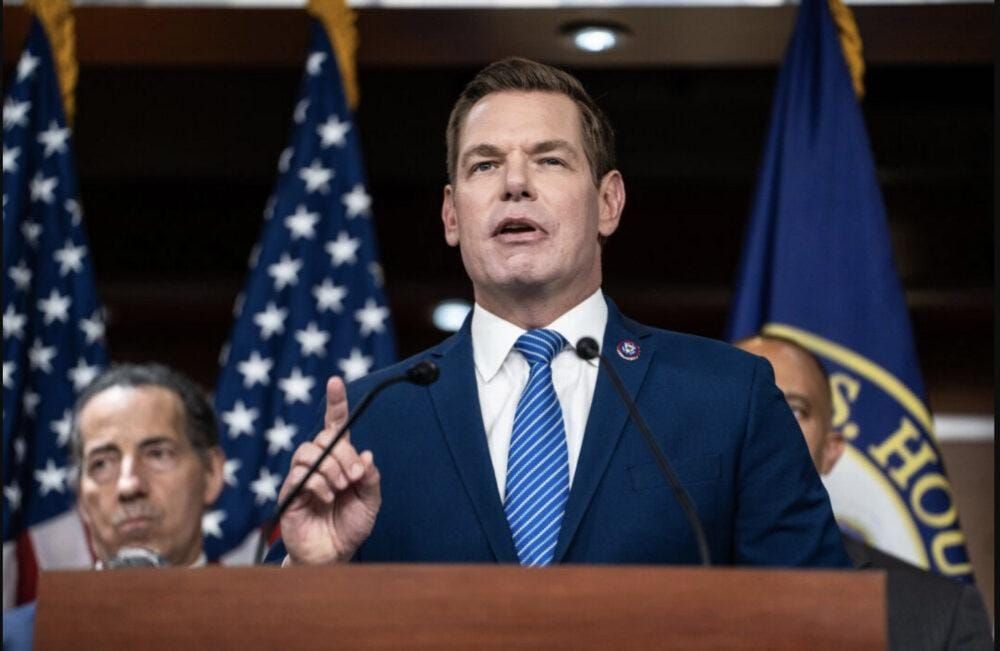
In a development that is intensifying political controversy in the United States, Annika Albrecht has come forward publicly with allegations against Eric Swalwell, describing her experience as “terrifying” and adding momentum to an already unfolding scandal.
Albrecht is among a growing number of individuals who have accused Swalwell of inappropriate behavior, with her account now drawing widespread media attention. Her decision to speak publicly marks a significant moment in the case, as more voices begin to emerge with similar claims.
A Personal Account Comes to Light
According to Albrecht, her interaction with Swalwell began in what appeared to be a professional or academic setting. However, she claims that communication quickly shifted to private messaging platforms, where the nature of the conversation allegedly became inappropriate.
She described feeling uncomfortable as the tone changed, eventually leading to what she perceived as an attempt to arrange a private meeting. Albrecht stated that she chose not to proceed and cut off contact, later reflecting that the situation could have escalated further.
In her own words, speaking about the broader situation and hearing other accounts, she said, “It was terrifying,” highlighting both the emotional impact and the fear she experienced while coming forward.
Pattern of Allegations Emerges
Albrecht’s claims are not isolated. Multiple women have come forward with accounts that appear to follow a similar pattern—initial contact, a shift to private communication, and alleged attempts to initiate more personal or inappropriate interactions.
These parallel narratives have led to growing scrutiny of Swalwell’s conduct, both within political circles and among the public. Critics argue that the consistency in these accounts raises serious questions, while supporters of Swalwell caution against drawing conclusions before investigations are completed.
The situation has escalated into a broader political issue, with calls for formal inquiries and accountability increasing in recent days.
Political Fallout Intensifies
The controversy has already begun to have significant political consequences. Pressure has mounted on Swalwell to respond decisively to the allegations, with some voices calling for his resignation or temporary withdrawal from public duties.
While Swalwell has denied the most serious accusations, he has acknowledged lapses in judgment, which has done little to quell criticism. The lack of clarity has further fueled debate across media platforms and political forums.
The issue has also reignited discussions about professional boundaries, power dynamics, and ethical conduct in politics, particularly when public officials interact with younger individuals or constituents.
Broader Implications
Beyond the immediate political fallout, Albrecht’s testimony has contributed to a wider conversation about accountability and the importance of speaking out. Advocacy groups have emphasized the need for safe channels for individuals to report misconduct, especially when it involves figures in positions of power.
Her decision to go public is being seen by some as an act of courage, while others stress the importance of due process and careful investigation.
The case reflects a recurring challenge in modern politics—balancing public trust, personal conduct, and the legal standards required to establish wrongdoing.
What Happens Next?
As investigations and media scrutiny continue, the situation remains fluid. Authorities and ethics committees are expected to review the allegations, while more individuals may come forward in the coming weeks.
For now, Annika Albrecht’s account has added a critical layer to the unfolding story. Whether it leads to formal action or remains part of a broader public debate will depend on the outcomes of ongoing inquiries.
What is clear, however, is that the controversy surrounding Eric Swalwell is far from over, and its implications could extend well beyond a single political career.