
AI Hype Crashes Wall Street: Microsoft Plunges $440 Billion as Investors Question OpenAI Bets
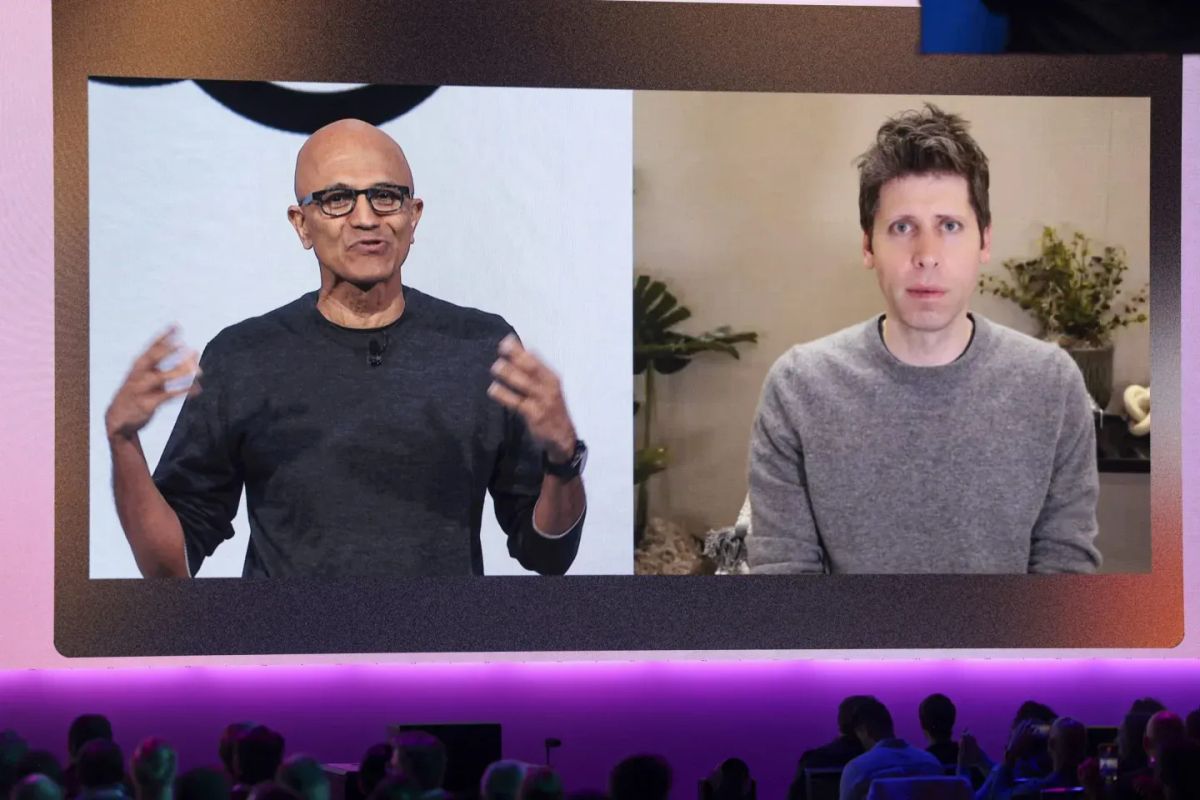
Wall Street Faces AI Reality Check
After years of betting big on artificial intelligence, Wall Street is facing a harsh moment of truth. On Thursday, tech stocks tumbled sharply, signaling investor fatigue with the “spend now, profit later” model that has fueled the AI boom.
Microsoft, a key player in AI through its partnership with OpenAI, led the selloff, falling 12% by midday, wiping out over $440 billion in market value—its largest intraday loss since the pandemic. The Nasdaq was down nearly 2%, reflecting widespread concerns across the sector.
Rising Costs Fuel Investor Anxiety
The selloff was triggered by Microsoft’s latest earnings report, which revealed a 66% surge in capital expenditures (capex) to $37.5 billion in the latest quarter. While its Azure cloud business showed modest growth, investors were alarmed by a new disclosure: roughly 45% of Microsoft’s $625 billion in remaining performance obligations (RPO) are tied directly to OpenAI.
Analysts say this is a warning sign. Microsoft is both an investor in and cloud provider for OpenAI, meaning a huge portion of its future revenue depends on the success of a single AI company.
Jim Cramer of CNBC summed it up bluntly:
“It’s the collapse of software and the ascent of hardware, and it is staggering.”
The Capex Conundrum
Capital-intensive AI investments are not limited to Microsoft. Meta, Oracle, and other tech giants are pouring billions into data centers, AI compute, and infrastructure.
- Meta has largely avoided the selloff thanks to a strong revenue forecast, reporting a 24% year-over-year increase, primarily from online ads.
- Oracle, meanwhile, has lost nearly 50% of its stock value since September, erasing roughly $463 billion. Investors are skeptical about Oracle’s massive data center builds for OpenAI, especially as project timelines slip to 2028.
The challenge is clear: massive spending does not immediately translate into revenue, creating a dangerous gap between investment and return.
OpenAI’s Growing Financial Footprint
OpenAI itself has committed roughly $1.4 trillion to secure energy and computing resources, yet its revenue barely exceeded $20 billion in 2025. Analysts warn that the AI industry may be facing a bubble fueled by “circular” deals, where companies pour money into each other with uncertain returns.
The Information reported that OpenAI is seeking an additional $60 billion in funding from tech heavyweights like Nvidia and Amazon, but investors appear wary. Wealth Alliance president Eric Diton said:
“Maybe Oracle stock got way ahead of fundamentals, and now the market’s saying, ‘All right, show me, I want to see it.’”
Market Sentiment Shifts
The AI bull market’s enthusiasm is showing cracks. Investors are no longer satisfied with promises of future returns—they want tangible profits and proven business models.
This shift in sentiment is causing:
- Selloffs in tech stocks tied to AI, especially those heavily invested in OpenAI
- Skepticism about high capex strategies, even from established companies
- Pressure on AI companies to demonstrate immediate revenue potential
The question now for Wall Street is whether AI can deliver on its lofty promises, or if the sector is heading toward a broader market correction.
The Takeaway
For investors, Thursday’s selloff signals a turning point in the AI narrative. While generative AI remains exciting, the market is starting to weigh risk against reward, focusing on companies that can turn investment into profit sooner rather than later.
Microsoft’s massive losses and Oracle’s struggles highlight a clear message: AI hype alone is no longer enough to drive stock prices.