
African Countries Now Pay China More Than They Receive as Loans, New Data Shows
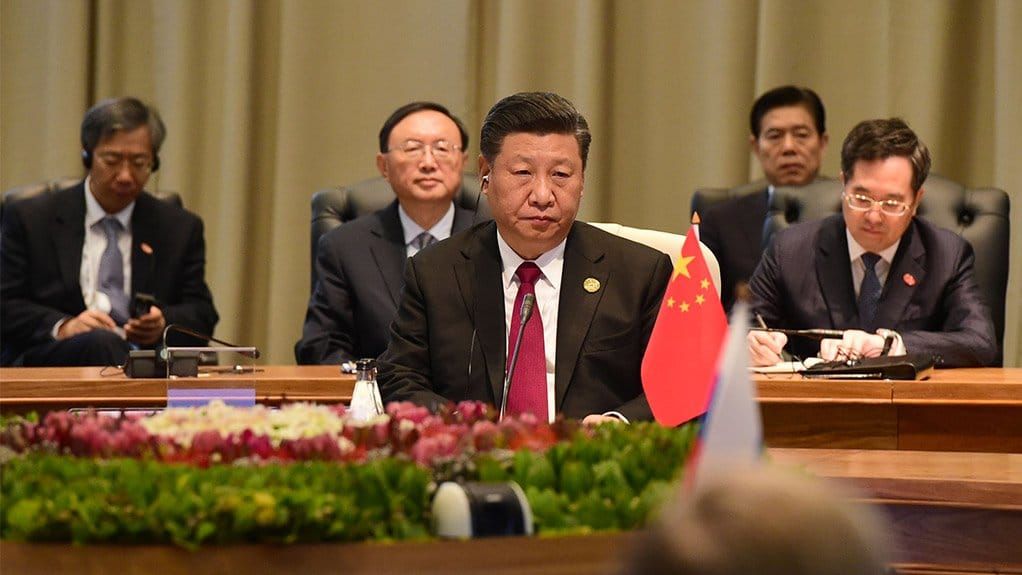
African Nations Now Send More Money to China Than They Receive in New Loans
For years, China was seen as one of the biggest financial backers of developing countries, especially across Africa. Massive infrastructure projects, railways, ports, and highways were often funded through Chinese loans, reshaping economies and landscapes alike.
But that financial relationship is changing — and fast.
According to new analysis released by the ONE Data initiative, many African countries are now paying more money to China in debt repayments than they are receiving in new loans. The shift marks a major turning point in global development finance and raises important questions about how poorer nations will fund growth in the years ahead.
China’s Role as a Global Lender Is Shrinking
From Major Financier to Net Recipient
Over the past decade, China’s lending to low- and middle-income countries has dropped sharply. While new loans have slowed, repayments on older debts continue to rise.
This has created a reversal in financial flows. Instead of money flowing from China into developing economies, cash is increasingly flowing in the opposite direction.
In simple terms, many countries are now sending more money back to China each year than they are receiving in fresh financing.
Africa Has Been Hit the Hardest
From Billions in Inflows to Billions in Outflows
The impact of this shift is most visible in Africa.
Between 2015 and 2019, African nations received a net inflow of about $30 billion from China. That meant new loans exceeded repayments, allowing governments to fund infrastructure and development projects.
But between 2020 and 2024, that picture completely changed.
During this period, Africa recorded a net outflow of $22 billion. In other words, African countries paid $22 billion more to China than they received in new funding.
This reversal has placed additional pressure on governments already struggling with tight budgets and rising social needs.
Why This Is Happening
Old Loans Still Need to Be Repaid
The main reason behind this shift is simple.
China is no longer lending at the same scale as before, but the loans made during the peak of its overseas lending boom still need to be serviced.
David McNair, executive director at ONE Data, explained that the imbalance comes from reduced new lending combined with ongoing debt obligations from past borrowing.
As a result, repayments now outweigh incoming funds, creating net outflows from developing countries.
Multilateral Lenders Step In
A New Source of Development Finance
As Chinese lending has declined, multilateral institutions have stepped into a larger role.
Organizations such as development banks and international financial institutions have increased their net financing by 124 percent over the past decade.
Between 2020 and 2024, these institutions provided $379 billion in net financing, accounting for 56 percent of all net development finance flows once debt repayments are considered.
This shift means that multilateral lenders have become the main source of development funding for many poorer countries.
What This Means for African Economies
Growing Pressure on Public Services
The change in financial flows presents serious challenges.
Many African governments rely on external financing to fund public services such as healthcare, education, and infrastructure. When more money is going out than coming in, budgets tighten and difficult choices follow.
Governments may be forced to delay projects, reduce services, or increase taxes to cover funding gaps.
Aid Cuts Could Make Things Worse
2025 May Show a Steeper Decline
The data in the ONE Data report covers up to 2024 and does not include cuts that took effect in 2025.
Those cuts could significantly worsen the situation.
The closure of the U.S. Agency for International Development last year, along with reduced aid from other developed nations, has already affected developing economies — particularly in Africa.
Once 2025 figures are available, analysts expect to see a sharp drop in Official Development Assistance, further limiting available funding.
A Net Negative, With One Possible Upside
Less Dependence, More Accountability?
McNair described the current trend as a net negative for African nations, especially in the short term.
However, he also pointed out a potential long-term benefit.
As governments rely less on external funding, they may face increased pressure to strengthen domestic accountability, improve tax collection, and manage public finances more effectively.
This shift could encourage stronger institutions and better governance over time, though the transition may be painful.
Decline in Other Funding Sources
Bilateral and Private Financing Also Falling
The report also highlighted broader trends that add to the challenge.
Bilateral financing between governments has declined, and private external debt flows are also falling. These trends are likely to worsen as aid cuts take full effect from 2025 onward.
Together, these changes suggest a tightening global financial environment for developing countries.
What This Means for China’s Global Strategy
A More Cautious Lending Approach
China’s reduced lending reflects a shift in its own priorities.
Rising financial risks, debt restructuring challenges, and economic pressures at home have pushed Beijing to take a more cautious approach to overseas lending.
Rather than expanding its role as a lender, China is now focused on managing existing debts and reducing exposure to high-risk borrowers.
A New Era for Development Finance
Fewer Easy Loans, Harder Choices
For African nations, the era of easy access to large Chinese loans appears to be over — at least for now.
With fewer options for external financing, governments may need to explore new strategies, including domestic resource mobilization, regional cooperation, and more efficient use of existing funds.
The shift also underscores the importance of sustainable borrowing practices and long-term financial planning.
Looking Ahead
The changing relationship between Africa and China marks a significant moment in global economic history.
What once looked like a steady flow of development funding has turned into a growing repayment burden, forcing governments to adapt to a new financial reality.
As multilateral lenders take on a larger role and traditional aid sources shrink, the way developing nations fund growth is being reshaped.
Whether this leads to stronger self-reliance or deeper financial strain will depend on how governments respond — and how the global community adapts to this evolving landscape.